
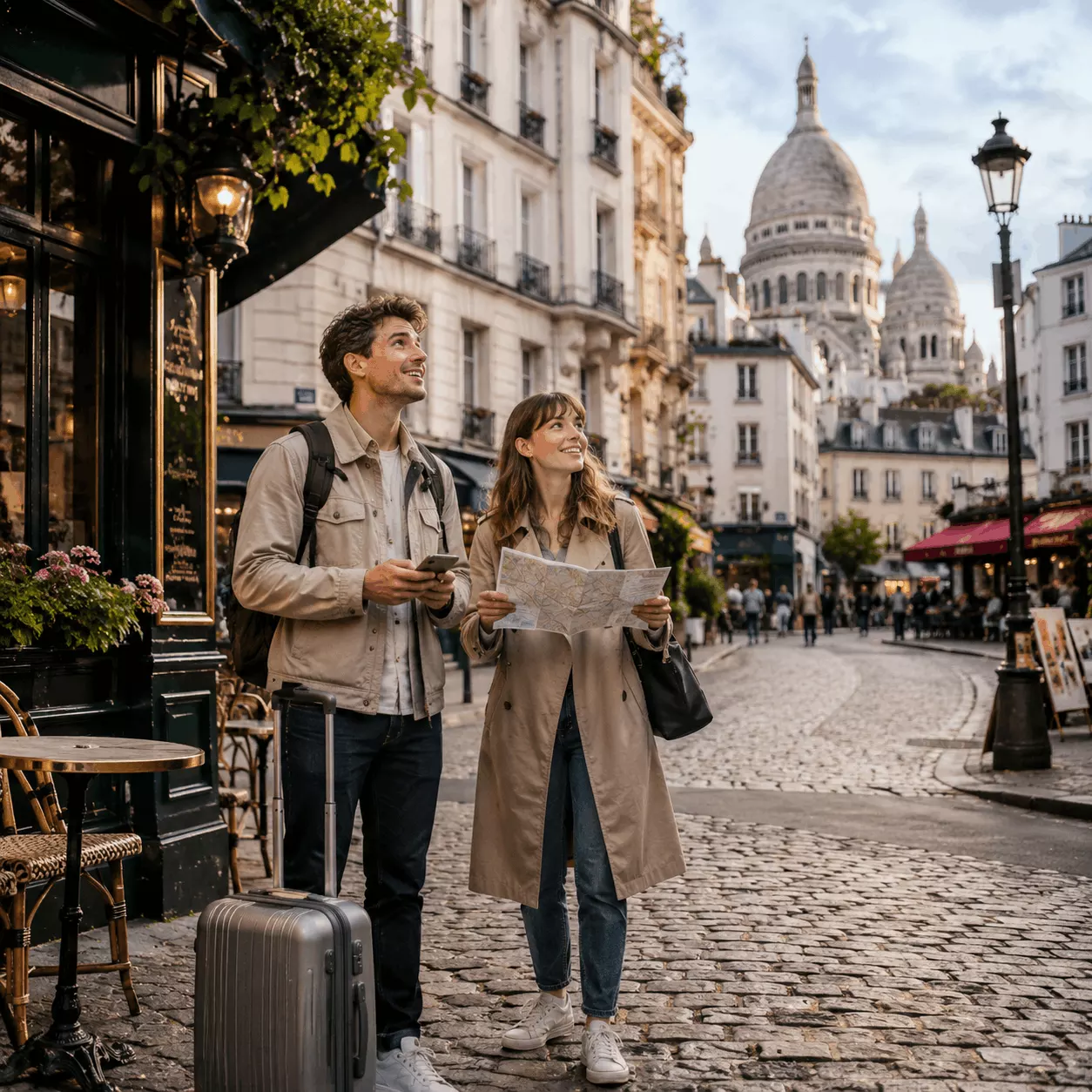
Europe has a funny way of existing in the imagination.
For some people, it is cobblestone alleys, espresso, cathedrals, and a soft breeze that makes them feel like they have become a better person just by standing near an old building.
For others, it is panic.
Too many countries. Too many trains. Too many airports. Too many names that sound vaguely familiar until you realize Vienna is not in Switzerland, Prague is not a type of sandwich, and “just do Europe” is not a plan, it is a cry for help.
And that, honestly, is where many first-time Europe trips go wrong.
People treat Europe like one destination. It is not.
Europe is a giant cluster of very different countries, rhythms, expectations, transit systems, cuisines, and costs, all sitting close enough together to trick you into believing this will be simple.
It is not impossible, not at all. In fact, your first Europe trip can be incredible.
But it goes much better when you stop trying to conquer the continent like a final boss and instead build a trip that actually fits your pace, your budget, and your stamina.
Because yes, Europe is magical.
But it is still you who has to drag the suitcase up the stairs.
First mistake: trying to see too much
This is the classic one.
“I want to do London, Paris, Amsterdam, Switzerland, Italy, and maybe Greece too.”
In 9 days.
Brother, no.
That is not a holiday. That is a beautifully photographed logistical collapse.
First-timers often underestimate how tiring movement becomes when repeated too often. Packing, unpacking, checking out, catching trains, figuring out stations, navigating a new city, finding food, adjusting to jet lag, and then trying to act like you are “taking it all in” while your soul quietly leaves your body near Platform 8.
A first Europe trip usually works better when you do fewer places, but do them properly.
Think in clusters.
Paris + Amsterdam.
Rome + Florence + Venice.
Switzerland + Northern Italy.
Lisbon + Porto.
Prague + Vienna + Budapest.
That kind of trip has rhythm. It breathes. It lets you actually remember where you were.
Europe is not one thing
This is the second trap.
People say “I want to go to Europe” the way someone says “I want to eat food.”
Okay. But what kind?
Do you want art museums and old churches? Scenic mountains and train rides? Beach towns? Luxury shopping? Walkable romantic cities? Party energy? Quiet villages? History overload? Food pilgrimage? Christmas markets? Countryside peace?
Because Europe can do all of that.
But not every destination gives the same feeling.
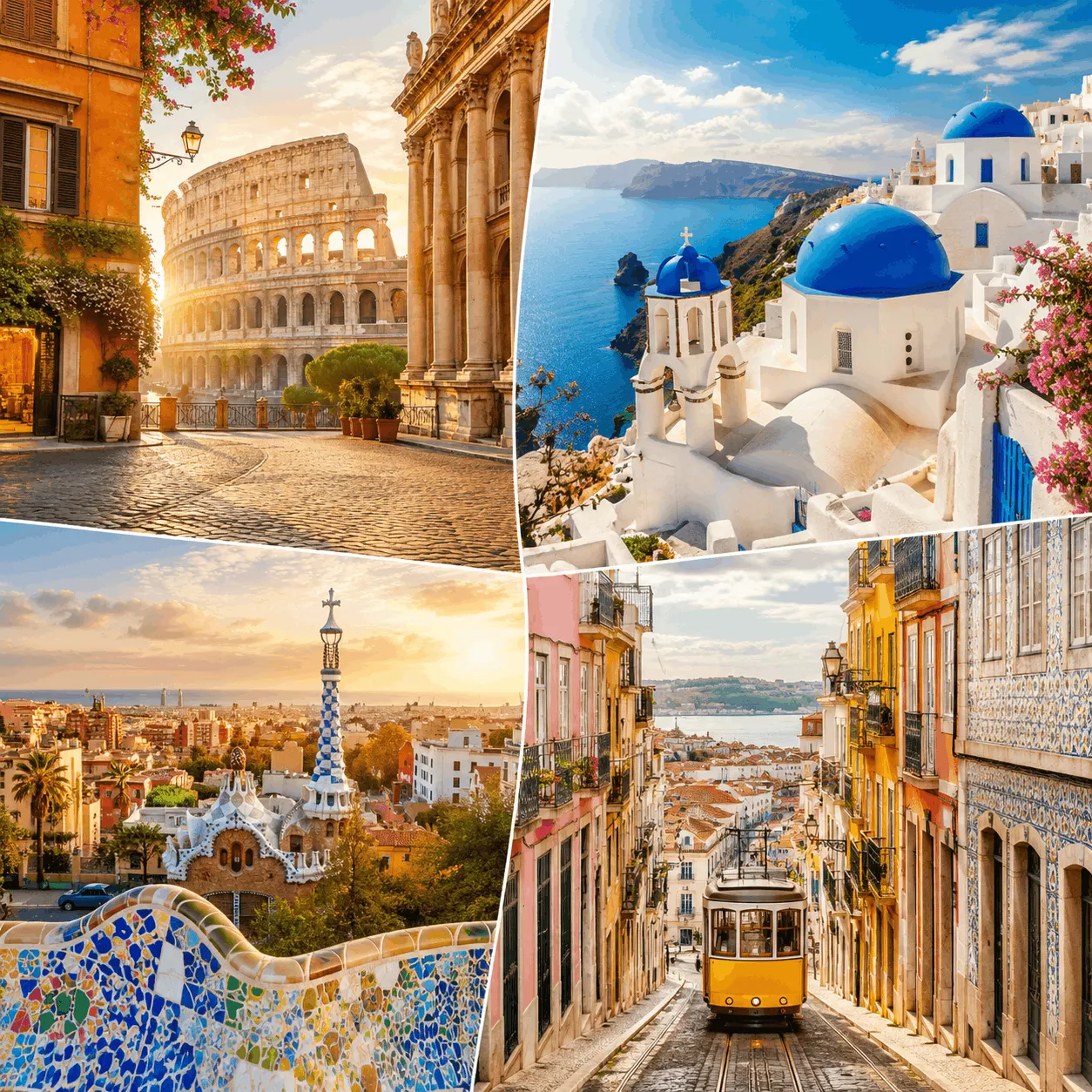
Italy feels different from Switzerland. Switzerland feels different from Spain. Spain feels different from Germany. Even within one country, cities can feel wildly different from each other.
So the right first question is not “What is the best Europe itinerary?”
It is:
What kind of trip do you actually want to live inside?
That question saves people from a lot of nonsense.
Your body matters more than your Pinterest board
This part is underrated.
Europe looks elegant online because the people in the photos are not sweating through three layers while wheeling luggage over uneven stone streets after sleeping 4.5 hours.
Real travel has physics.
Old cities often mean stairs, walking, train platforms, narrow hotel elevators, sometimes no elevator at all, and long days on your feet. If you plan a trip that is too dense, too rushed, or too ambitious, the romance starts leaking out very quickly.
So when planning your first Europe trip, ask:
How much walking do I realistically enjoy?
How often do I want to change hotels?
Do I want trains for the experience, or private transfers for ease?
Do I want city intensity every day, or do I need breathing room?
This is not weakness. This is intelligence.
A trip should fit the traveler, not punish them for having knees.
Schengen is real, and yes, it matters
A lot of first-time travelers hear “Europe” and assume they can move around endlessly without thinking about entry rules.
Not exactly.
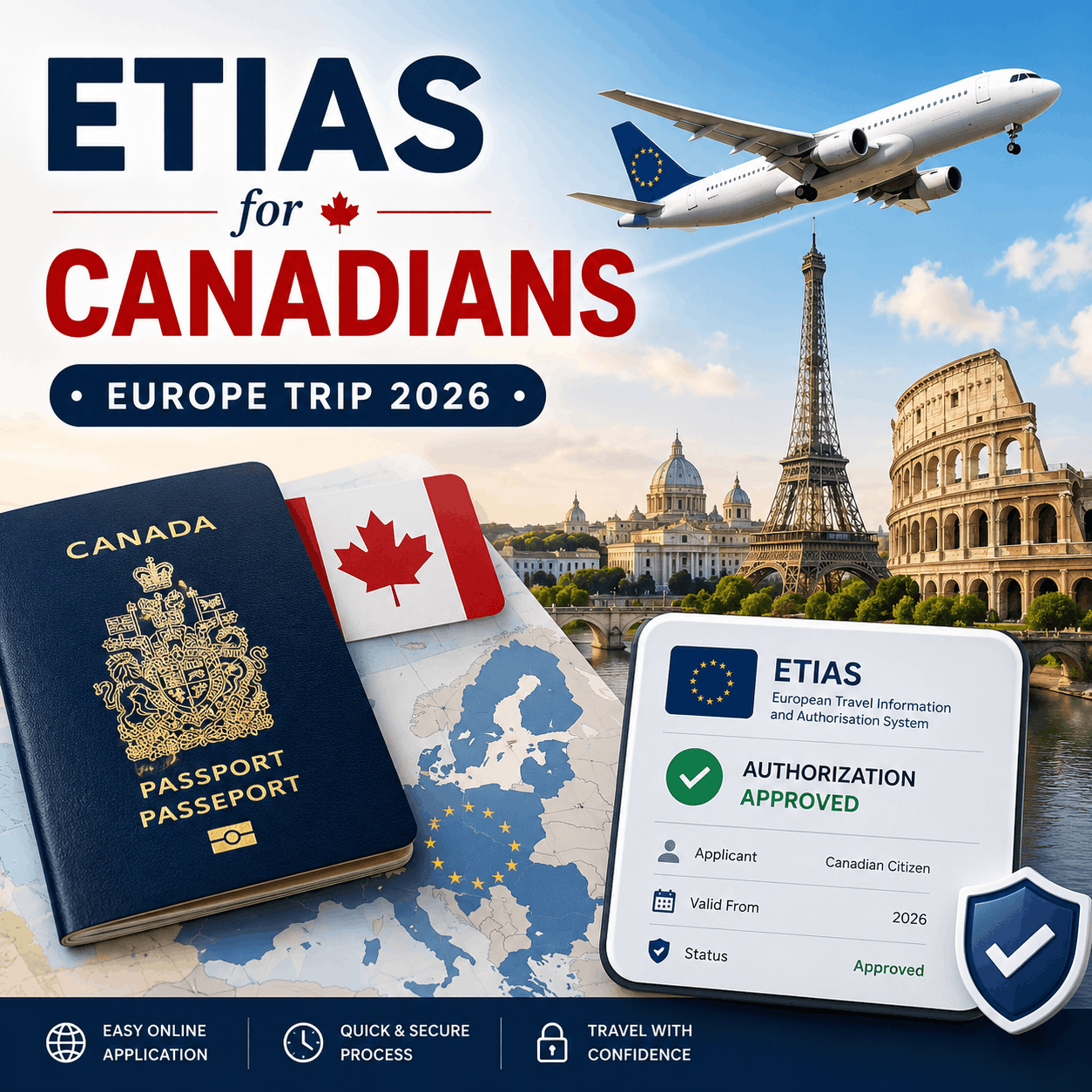
For many non-EU travelers, short stays in the Schengen Area are generally limited to 90 days within any 180-day period, and the EU provides an official short-stay calculator for this. Also, the EU’s new ETIAS authorization is not live yet as of now; official EU sources say it is expected to start in the last quarter of 2026, with no action required yet.
This mostly matters for longer or multi-country planning, but even for normal holidays, it is a reminder that Europe is not just vibes and pastries. There are actual entry systems involved. Rules also depend on your passport and destination mix, so this should always be checked properly before booking.
Flights are not the whole story
People obsess over airfare and then get blindsided by everything after that.
Europe budgeting is not just flights and hotels.
It is also:
train tickets
airport transfers
inter-city transport
checked bags
city taxes
museum entries
food near tourist zones
data or roaming
small convenience costs that somehow gang up on you
That is why a “cheap flight to Europe” does not automatically mean a cheap Europe trip.
Sometimes the better move is not finding the absolute lowest airfare. It is building an itinerary where the on-ground flow makes sense and the hidden costs do not keep kicking you in the shins.
Open-jaw flights can save the trip
A lot of first-timers fly into one city and out of the same city by default.
Sometimes that works.
Sometimes it wastes an entire day doubling back for no reason.
If you are doing a multi-city route, flying into one city and returning from another can make the whole journey cleaner. For example, landing in Rome and flying home from Paris can be far more elegant than circling back like a confused pilgrim.
Good Europe planning is not just about where you go.
It is about not making yourself redo the map for no reason.
Trains are great, but do not romanticize them too much
Yes, trains in Europe can be wonderful.
Scenic, efficient, central, charming, cinematic, all the buzzwords.
They can also involve station changes, luggage dragging, seat reservations, platform confusion, strikes, time pressure, and that one moment where you stare at a board and realize every word might as well be written in moon runes.
For some routes, train is absolutely the right call.
For others, a short flight or private transfer may simply make more sense.
The point is not to force one transport style because it sounds poetic.
The point is to choose what actually fits the route and the traveler.
Poetry is nice. So is not missing your connection.
Pack lighter than your ego wants to
First-time Europe travelers often pack like they are preparing for weather, fashion week, a spiritual awakening, and a minor political collapse.
Please relax.
Pack lighter.
You are not moving there. You are visiting.
If you can reduce the weight of what you carry, you increase the ease of almost every transit day. This matters more in Europe than people expect because many older hotels, train stations, and historic areas are less suitcase-friendly than modern North American infrastructure.
The stronger your outfit planning fantasy, the more likely you are to become enemies with your own luggage.
Roaming, data, and the little technical annoyances
Mobile connectivity is one of those things people ignore until they land and suddenly discover they cannot access maps, bookings, WhatsApp, or the exact train platform they need.
The EU’s “roam like at home” framework applies inside the EU for eligible European mobile users, but that does not automatically mean a Canadian traveler will get the same deal through their home carrier. Canadian travelers should still verify their roaming plan or arrange travel data before departure.
This sounds boring until you are outside a station in a new city, mildly sleep-deprived, with 7% battery and a heroic amount of misplaced confidence.
Then it becomes character development.
Do not build the trip from TikTok clips
This needs to be said.
A city can look stunning in a reel and still be a terrible fit for your actual trip.
Social media is great for inspiration. It is terrible as a planning structure.
Because what you need is not just what looks beautiful.
You need to know:
how long to stay
which city pairs well with which
which areas are convenient
which routes are smooth
which hotels are worth it
which places only sound good until you are actually stuck there with luggage and poor timing
This is why interpretation matters more than option overload.
The internet will gladly show you 900 “must-see places in Europe.”
That does not mean those places belong in your trip.
Seasonal timing changes everything
Europe in summer is not Europe in shoulder season.
Crowds, prices, heat, daylight, atmosphere, hotel availability, even how enjoyable the walking feels, all of it changes depending on when you go.
Some travelers love peak-season energy. Some absolutely should not go anywhere near it.
A great first Europe trip is often less about choosing the “best” country and more about choosing the right country at the right time, in the right sequence, with the right pace.
That is what turns a trip from chaotic into deeply enjoyable.
The best first trip is not the most impressive one
This is the main thing.
Your first Europe trip does not need to prove anything.
It does not need 8 countries for bragging rights. It does not need to be optimized for social media. It does not need to be a maximalist flex.
It needs to work.
It needs to feel good in the body, clear in the logistics, and exciting in the spirit.
That is the real win.
Because once your first trip goes well, Europe opens.
Then you can come back for the second style of trip, and the third, and the weird niche one later where you suddenly care deeply about Alpine trains, obscure Christmas markets, or a town in Portugal that nobody in your family can pronounce.
But first?
Make the first one make sense.
My thoughts
Europe is wonderful.
It is also large, layered, expensive in the wrong hands, and very easy to overbuild.
So if this is your first time, do not ask how much of Europe you can cram in.
Ask what kind of journey actually fits you.
That is how the trip becomes memorable for the right reasons.
Not because you survived it.
But because you lived it properly.
Planning Europe for the First Time?
If you are excited about Europe but not interested in turning your holiday into a spreadsheet war, we can help.
At Globalduniya, we help travelers build Europe trips that actually fit them, not just whatever looks impressive online. That means cleaner routing, smarter destination pairing, better pacing, and fewer “why did nobody tell us this?” moments.
You can also explore our Europe packages if you want a starting point, or reach out for something more tailored if your trip needs a more personal touch.
A good Europe trip is not about stuffing in more.
It is about getting the right flow.

Comments
0 comments
No comments yet
Be the first to add a thought or question about this article.