
Tokyo
Neighbourhoods, family days, food, design, anime, Disney, and Mount Fuji extensions.
Plan Tokyo packagesCustom trips designed in British Columbia
Explore Tokyo, Kyoto, Osaka, Mount Fuji, Hakone and Nara through a route built around your dates, pace and priorities. Add flights from Canada or start with a custom land itinerary.
Choose the right Japan starting point
These focused planning pages answer the questions that shape the package: which region fits, or which seasonal window is worth building around.
Neighbourhoods, family days, food, design, anime, Disney, and Mount Fuji extensions.
Plan Tokyo packagesTemples, gardens, food, Nara, Universal Studios Japan, and a practical Kansai route.
Plan Kyoto & OsakaSapporo, Niseko, Furano, Biei, snow, summer scenery, food, and regional space.
Plan Hokkaido packagesFlexible sakura routes with early hotel planning and realistic bloom-window guidance.
Plan a sakura tripKyoto, Tokyo, Nikko, Hakone, and scenic fall-colour routes matched to your dates.
Plan a fall-colour tripStart with the route
Use these sample itineraries to narrow the geography and pace. Every route can be extended, simplified or combined with your preferred flights from Canada.
| Package | Route | Length | Best for | Pace | From |
|---|---|---|---|---|---|
| Tokyo + Kyoto Highlights | Tokyo - Kyoto | 8 days | First-time visitors | Balanced | CAD 2,699 |
| Japan Golden Route | Tokyo - Hakone - Kyoto - Osaka | 10 days | Iconic highlights | Active | CAD 3,199 |
| Osaka, Nara + Kyoto Cultural Escape | Osaka - Nara - Kyoto | 9 days | Culture and food | Relaxed | CAD 2,899 |
| Mount Fuji + Tokyo Premium Getaway | Tokyo - Fuji region | 7 days | Short premium trips | Easy | CAD 2,499 |
Pricing note: Starting prices are sample estimates in CAD per person, based on double occupancy and sample travel dates. Final pricing varies with airfare, season, hotel availability, room category and itinerary choices.
Flexible starting points
Each itinerary is designed to minimize avoidable transfer friction while leaving enough space to enjoy the places you travelled to see.

A focused first trip pairing Tokyo energy with Kyoto heritage, using station-friendly hotels and a simple rail connection.

Japan's classic multi-city route, planned around practical rail legs, luggage forwarding and a Fuji-region stay in Hakone.

A slower Kansai itinerary built around local food, heritage districts and an easy Nara day trip.

A comfort-first escape with fewer hotel changes, strong Tokyo placement and a scenic Fuji-region stay.
Two-minute route guidance
Answer a few questions about trip length, pace, interests and travel style. The Japan Trip Finder will point you toward a practical starting route before you request a quote.
Season-by-season planning
There is no single best month. Your ideal window depends on whether you value blossoms, mild weather, fewer crowds, festivals, snow or stronger value.
| Travel period | What to expect | Best for | Planning advice |
|---|---|---|---|
| March - April | Cherry blossom season, mild days and high demand | First trips, photography, honeymoons | Plan early; bloom timing varies by city and year |
| May - June | Comfortable May weather followed by rainier periods | Food, culture and city combinations | Avoid major holiday peaks where possible |
| July - August | Hot, humid weather with festivals and school holidays | Families, festivals, Hokkaido extensions | Use a slower pace and well-located hotels |
| September - November | Late-summer weather shifting to autumn colour | Scenery, walking and classic routes | October and November can book strongly |
| December - February | Cooler cities, snow regions and seasonal illumination | Skiing, winter scenery and lower-season city trips | Build in weather flexibility for mountain routes |
One coordinated plan
We connect the major trip decisions so flights, hotels, rail legs and daily plans work as one itinerary.
Route and fare options from Vancouver and other Canadian gateways, coordinated with your land itinerary.
Neighbourhood and station access matter. We match location, room type and comfort level to your priorities.
Intercity trains, airport transfers, luggage forwarding and private transport where it meaningfully reduces friction.
Guided sightseeing, food experiences, theme parks and cultural activities, subject to schedule and availability.
A realistic structure for families, couples, seniors or active travellers, with free time where it adds value.
Organized documents and practical guidance on entry, connectivity, payments, luggage and arrival logistics.
Know before you go
Rules can change and differ by passport and trip purpose. Review our Japan visa guide for Canadians, then confirm current official requirements before travel.
Tokyo has two major airports with different transfer tradeoffs. Our Narita vs Haneda comparison explains what Canadian travellers should consider.
Cards are widely useful, but some smaller businesses still favour cash. An eSIM, SIM or pocket Wi-Fi helps with maps, translation and rail navigation.
A nationwide rail pass is not automatically the best value. We compare individual tickets and regional passes, then plan luggage forwarding where it makes transfers easier.
Food-aware itineraries
Japan can be rewarding for vegetarian travellers, but fish stock, meat broth and hidden animal ingredients require more planning than the menu name may suggest. We can flag dietary needs, build in restaurant research, arrange suitable food experiences and allow extra flexibility in smaller destinations. Dietary requirements should always be reconfirmed directly with each provider.
Design around the traveller
The same cities feel very different depending on hotel choices, day structure and the experiences you prioritize.
A balanced Tokyo and Kyoto foundation with simple transfers and enough orientation time.
See the first-trip routePremium stays, private moments, ryokan options and a pace that leaves room to enjoy them.
Plan a honeymoonFamily-sized room research, manageable transfer days and age-appropriate city and theme-park plans.
Find a family routeAkihabara, character stores, interactive art and ticketed attractions integrated into a broader Japan trip.
Try our Japan Anime Trip PlannerHigh-touch hotels, private transfers, fine dining and fewer logistical compromises.
See the premium routeSnow-country extensions, onsens, illumination and city combinations with seasonal flexibility.
Build a winter tripResearch your trip
From the journal
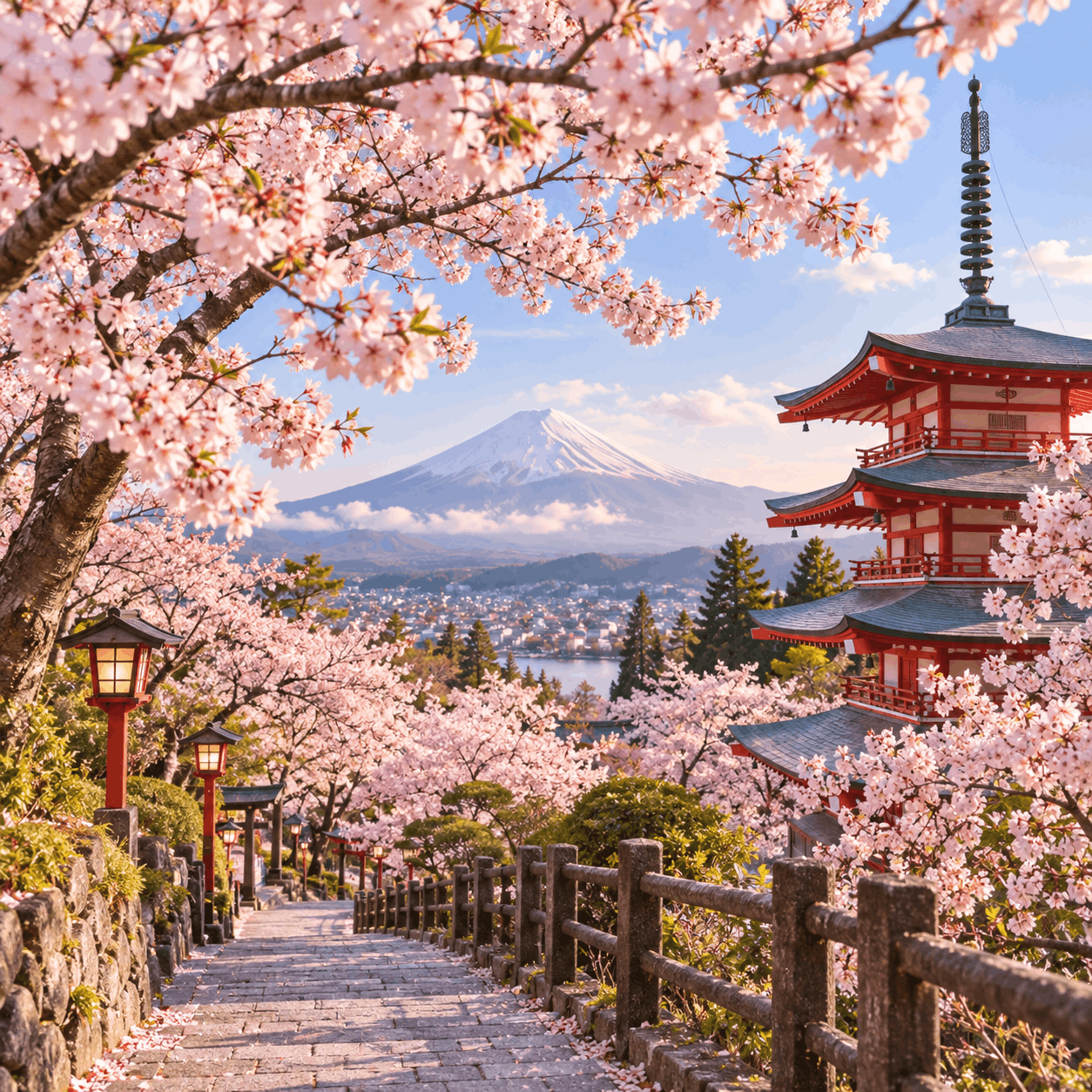
Discover the best time to see cherry blossoms in Japan, including bloom times for Tokyo, Kyoto, Osaka, Hokkaido and more. Plan your perfect Japan sakura trip.

Planning Japan from Canada? Here is a realistic 2026 Japan trip cost breakdown for flights, hotels, food, rail passes, local transport, taxes, and daily spending.
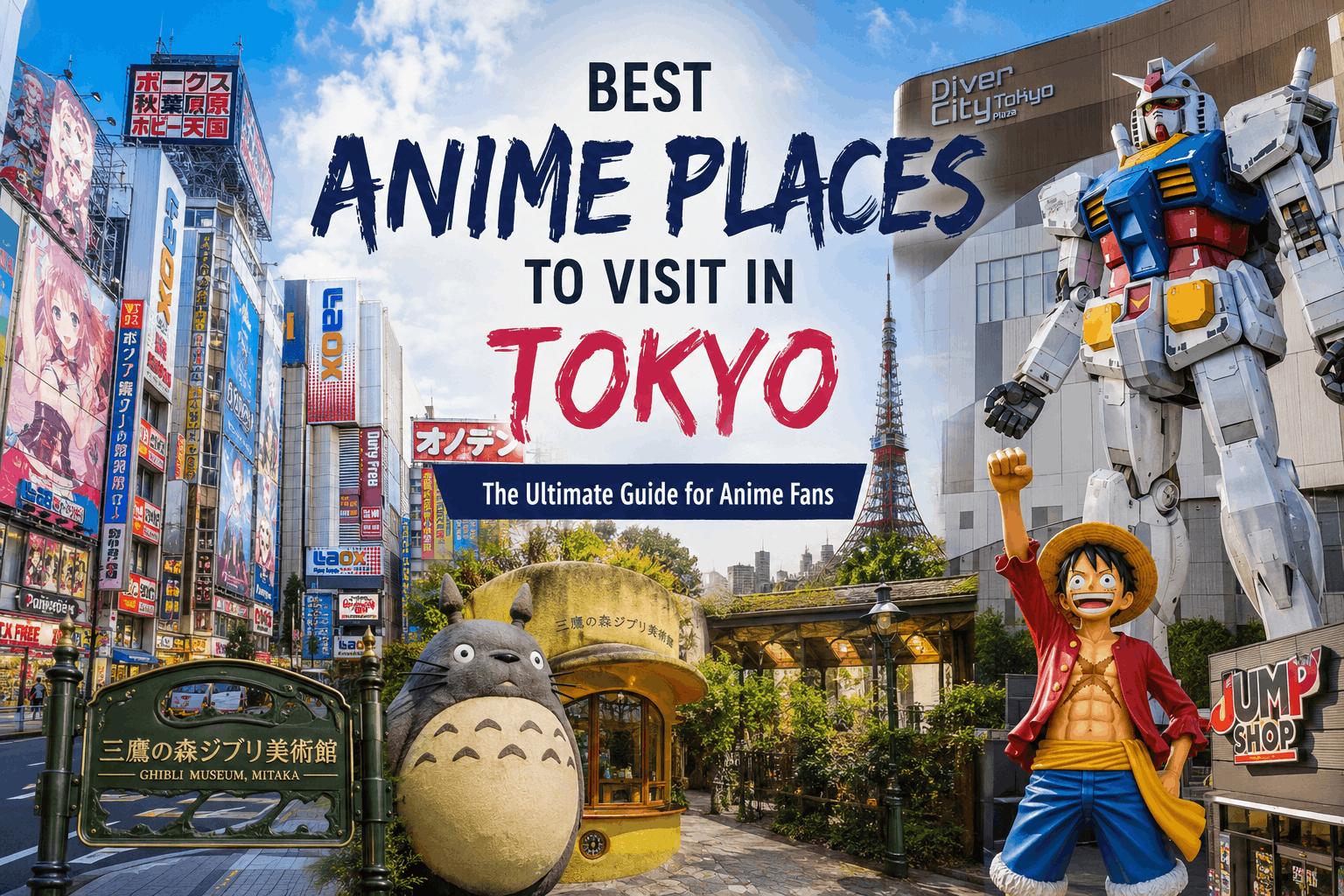
Discover the best anime places to visit in Tokyo, from Akihabara and Ikebukuro to Nakano Broadway, Ghibli Museum, Anime Tokyo Station, Tokyo Character Street, and more.
Practical answers
Yes. Globalduniya can adjust the cities, number of nights, hotel category, sightseeing, rail plan and pace. The sample routes are starting points, not fixed group tours.
They can. We can quote a complete package with flights from Vancouver or other Canadian gateways, or arrange the land itinerary if you already have flights.
Starting prices are sample estimates in Canadian dollars per person, based on double occupancy and selected travel dates. Final pricing depends on airfare, hotel availability, season, room type and itinerary choices.
Eight to twelve days works well for most first-time visitors. Eight days can cover Tokyo and Kyoto, while ten to twelve days allows time for Osaka, Hakone, Mount Fuji or Nara without compressing every day.
For cherry blossom season, autumn colours, holidays and school breaks, begin planning four to eight months ahead. For quieter periods, two to four months can still provide useful choice.
Yes, with preparation. We can identify vegetarian-friendly neighbourhoods and experiences, note dietary needs, and help explain ingredients that may contain fish stock or meat-based broth.
Entry rules depend on passport, purpose and length of stay and can change. We provide planning guidance, but travellers should confirm current requirements with the Government of Canada and Japanese authorities before departure.
Yes. Akihabara, teamLab, Ghibli-related stops, Universal Studios Japan, Tokyo Disney Resort and other interests can be built into a custom route, subject to ticket availability.