
Summary
Ancient Egypt, one of the world's oldest civilizations, flourished along the Nile River for over 3,000 years. This remarkable civilization left an indelible mark on history, influencing art, architecture, religion, and governance.
Geography and Nile Civilization: Situated in northeastern Africa, Ancient Egypt prosperity was closely tied to the Nile River. The annual flooding of the Nile provided fertile soil, enabling agricultural abundance. The civilization was divided into Upper Egypt (south) and Lower Egypt (north), with a unification process led by Narmer around 3100 BCE marking the beginning of dynastic rule.
Pharaohs and Dynasties: The pharaohs, believed to be divine rulers, played a central role in Ancient Egyptian society. The civilization is often categorized into periods known as dynasties. Notable dynasties include the Old Kingdom, characterized by the construction of the pyramids, and the New Kingdom, a time of military expansion and cultural flourishing.
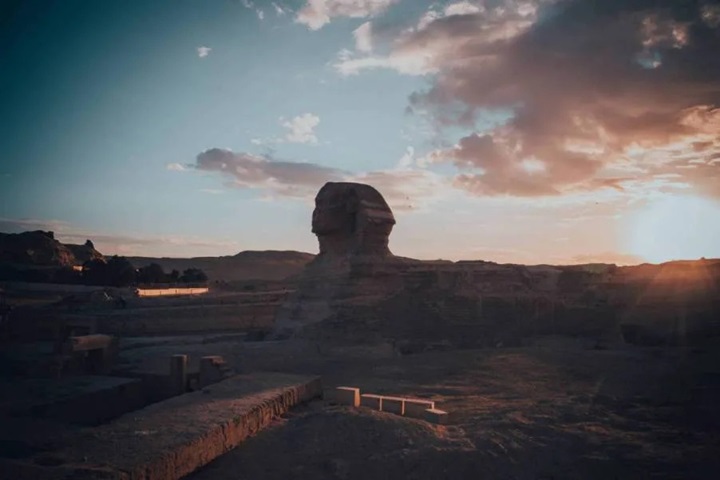
Monuments and Architecture: Ancient Egypt is renowned for its monumental architecture, including the iconic pyramids of Giza. The Great Pyramid, built for Pharaoh Khufu, is one of the Seven Wonders of the Ancient World. Temples such as Karnak and Luxor, along with the Valley of the Kings, showcase the grandeur and architectural prowess of the Egyptians.
Religion and Mythology: Religion played a vital role in Ancient Egyptian life. They worshiped a pantheon of gods and goddesses, with each deity associated with specific aspects of life. The belief in an afterlife led to elaborate burial practices and the construction of tombs filled with treasures for the deceased's journey to the next realm.
Hieroglyphics and Papyrus: The Egyptians developed a sophisticated writing system known as hieroglyphics. Carved or painted on monuments and written on papyrus, this script comprised a mix of logographic and alphabetic elements. The Rosetta Stone, discovered in 1799, played a pivotal role in deciphering hieroglyphics.
Decline and Legacy: Ancient Egypt faced periods of decline, including invasions by foreign powers. The conquest by Alexander the Great and subsequent rule by the Ptolemaic dynasty marked the end of native pharaonic rule. Nevertheless, the legacy of Ancient Egypt endures, influencing global understanding of history, culture, and human achievement. The remnants of this remarkable civilization continue to captivate and inspire the world.